How to Care for Your Garden During a Hosepipe Ban
Check out our top tips for keeping your garden blooming during extended hot weather periods

Periods of hot, dry weather can put extra pressure on both our gardens and the UK’s water supplies. When a hosepipe ban is introduced, it is important to follow the restrictions—but that does not mean your garden has to be neglected.
With a few simple changes, you can use water more efficiently, protect your most vulnerable plants and help your garden remain healthy until wetter weather returns.
Check the restrictions in your area
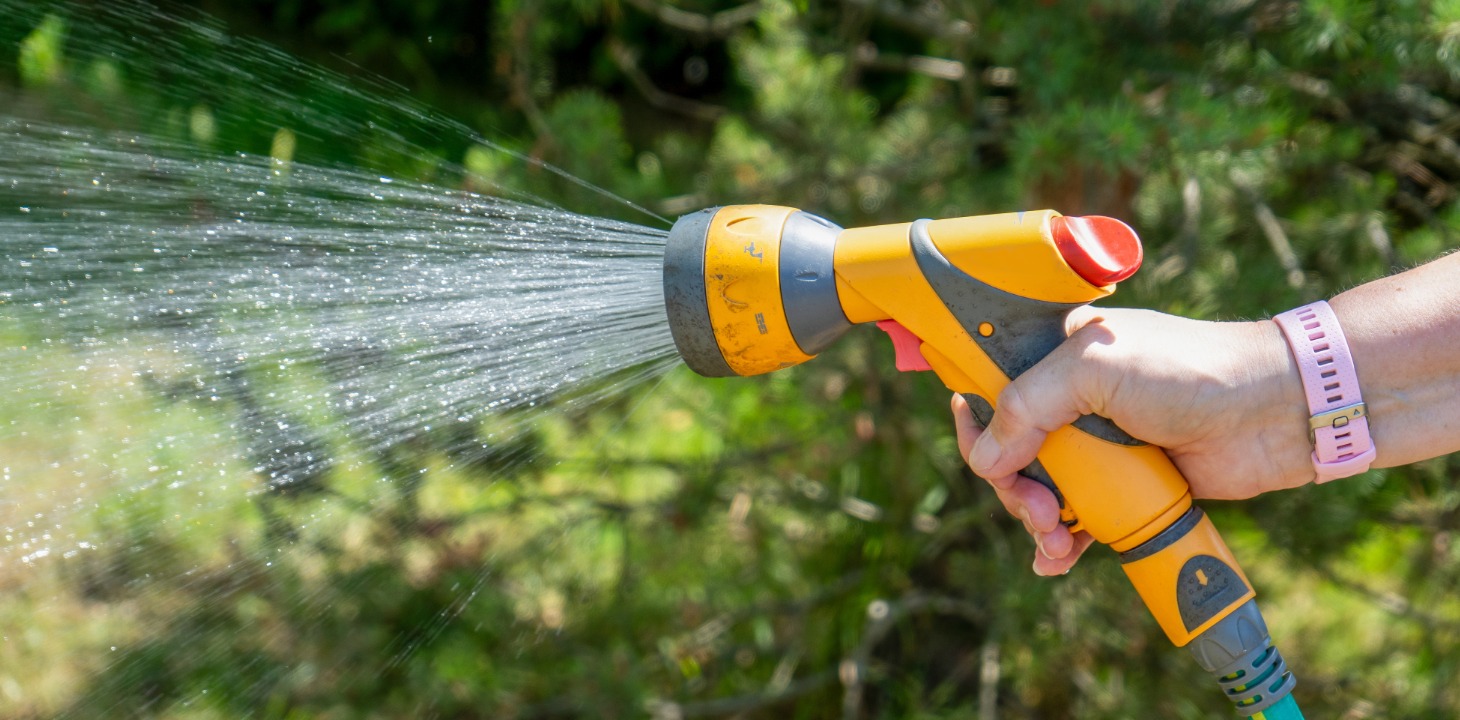
A hosepipe ban—officially known as a Temporary Use Ban—will normally prevent you from using a hosepipe or mains-fed sprinkler to water your garden. Watering cans and buckets are generally permitted, as is water collected in a water butt.
However, restrictions and exemptions can differ between water companies. Before watering, check the latest guidance provided by your local supplier—particularly if you have recently planted trees, shrubs, turf or other landscaping. Water UK’s hosepipe-ban guidance provides a useful starting point.
Prioritise the plants that need water most
Not everything in the garden needs the same amount of attention. During prolonged dry weather, concentrate the water you have on the plants most likely to suffer.
Priorities should include:
- Newly planted trees, shrubs and hedging
- Young plants and seedlings
- Fruit and vegetable crops
- Plants growing in pots, containers and hanging baskets
- Plants showing clear signs of drought stress
Established trees, shrubs and perennials are usually better equipped to cope with short dry periods because their roots reach deeper into the soil.
Water thoroughly and less frequently
A small amount of water applied every day may only wet the surface of the soil, encouraging roots to remain shallow. Instead, use a watering can to give priority plants a more thorough drink at longer intervals.
Aim the water directly at the base of each plant, where it can soak down towards the roots. Avoid watering leaves and surrounding areas unnecessarily.
The best time to water is early in the morning, when temperatures are cooler and less moisture will be lost through evaporation. Watering in the evening can also be effective, although damp overnight conditions may encourage slugs and snails.
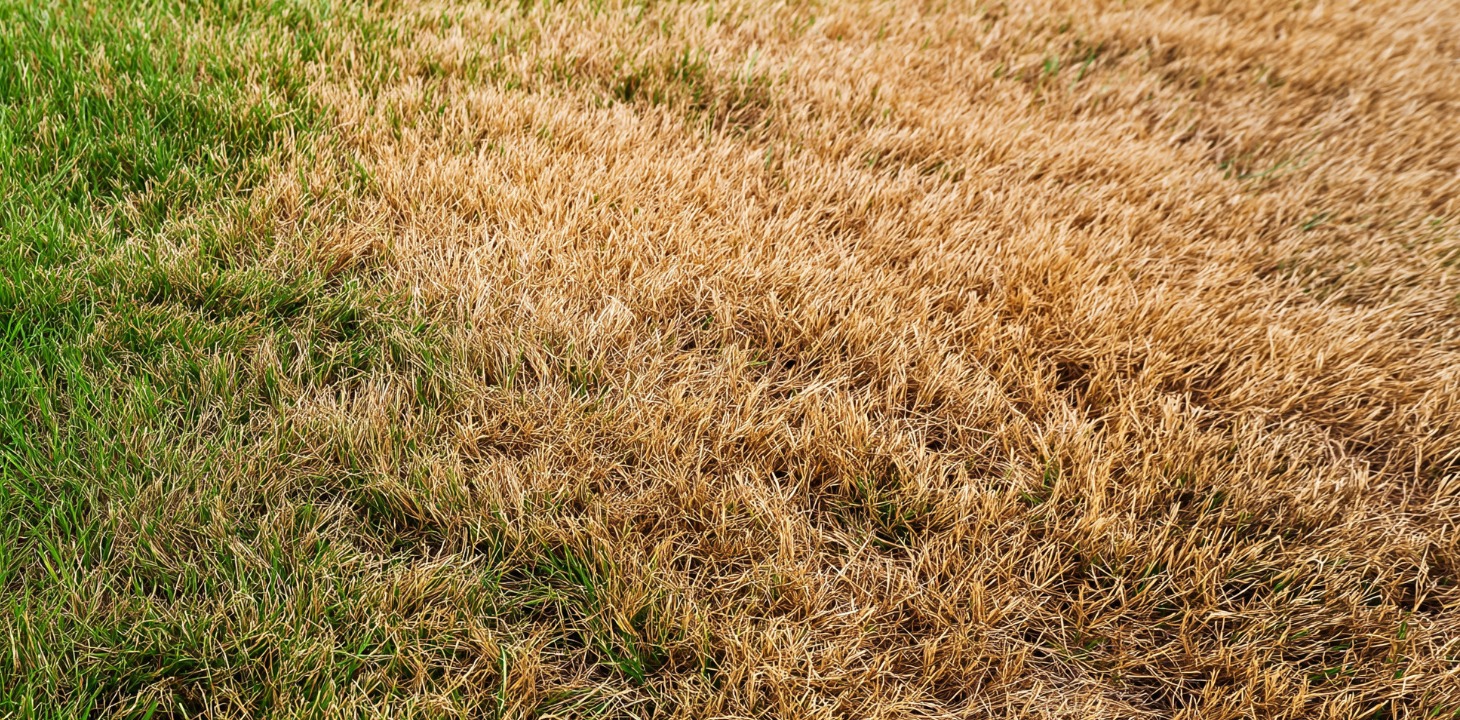
Let your lawn go brown (established lawns)
A dry or brown lawn can look worrying, but established grass is remarkably resilient. During drought, grass naturally becomes dormant to conserve energy and will usually recover once cooler, wetter weather returns.
Avoid using valuable water on an established lawn during a hosepipe ban. You can also help it cope by:
- Mowing less frequently
- Raising the mower blades to leave the grass slightly longer
- Avoiding unnecessary foot traffic
- Leaving fine grass clippings in place to help shade the soil
Try not to apply fertiliser during very dry weather, as this encourages new growth that will require even more water.
Caring for new lawns
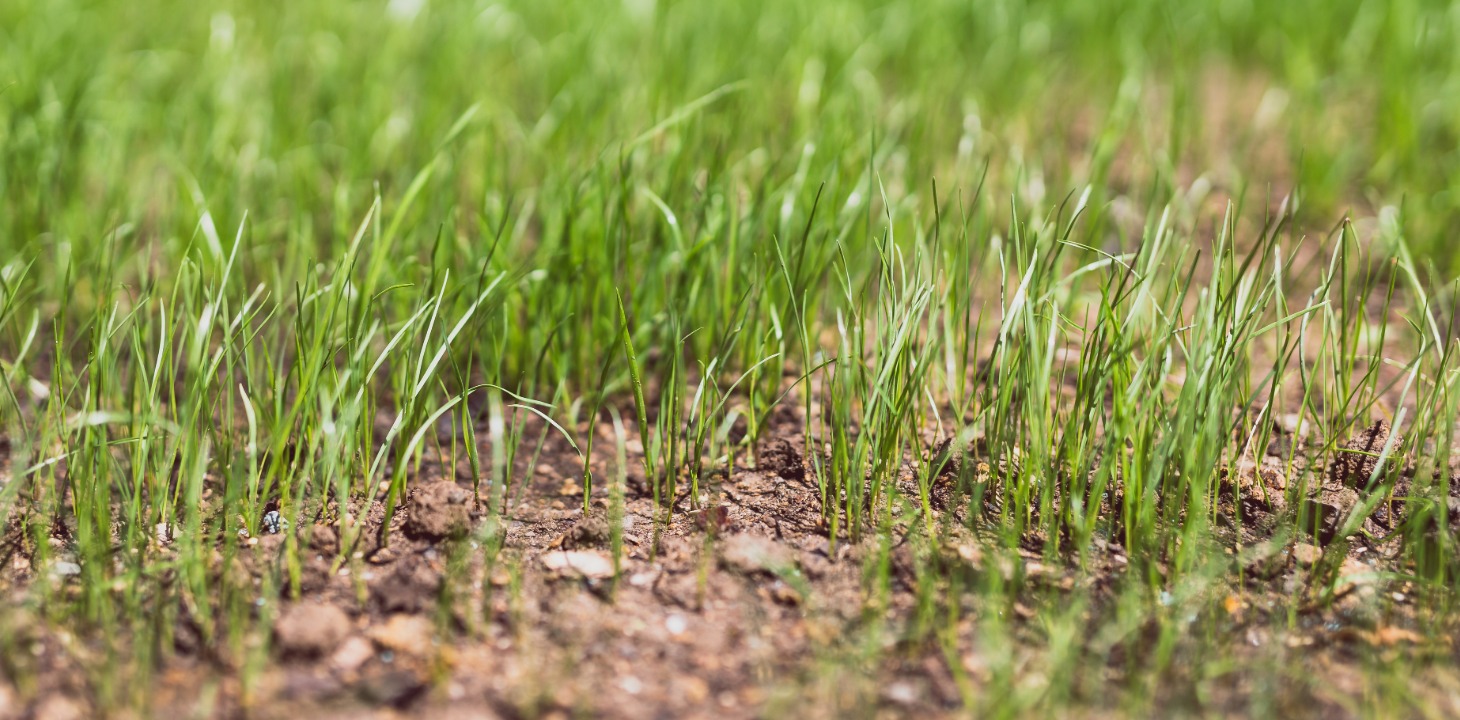
Although established grass will usually recover from a period of dry weather, new turf and young seedlings are much more vulnerable. Without sufficient moisture, turf can shrink, lift at the edges or fail to root, while newly germinated grass seed can quickly die.
A newly laid or seeded lawn needs regular watering while its roots become established. Unfortunately, this can make the arrival of a hosepipe ban particularly challenging. If you can avoid planting a new lawn or laying turf during long periods of heat and during any hosepipe bans then this would certainly be best avoided, but if it cannot be avoided, here's out top tips for giving it the best chance to thrive:
Use a watering can
Watering cans are generally permitted during a hosepipe ban and can be used to keep priority areas moist.
For newly laid turf, apply the water slowly and evenly so that it reaches the soil beneath the turf rather than simply wetting the grass. Pay particular attention to:
- Turf edges
- Joints between rolls
- Areas beside paving, walls and fences
- Slopes and exposed sections
- Any patches beginning to lift, curl or change colour
These areas tend to dry out first and may need additional attention.
For a newly seeded lawn, use a watering can fitted with a fine rose. A heavy flow of water can wash the seed away, create bare patches or disturb the soil surface.
Water at the right time
Water early in the morning or later in the evening, when temperatures are cooler and less moisture will be lost through evaporation.
Early morning is generally the best option because the grass has time to dry during the day. Avoid watering during the hottest part of the afternoon, when a significant proportion may evaporate before reaching the roots.
Keep the moisture level consistent
New turf should not be allowed to dry out completely during its initial establishment period. The soil beneath it should remain moist, but the lawn should not be left waterlogged.
You can carefully lift a corner of the turf to check whether the soil underneath is damp. Once the turf begins resisting when gently lifted, this is a positive sign that roots are developing.
Newly sown lawns require a slightly different approach. The upper layer of soil should remain consistently moist while the seeds germinate. This may require smaller, carefully targeted applications of water rather than occasional heavy watering.
Keep off the grass
Avoid walking, playing or placing furniture on a new lawn while it is establishing—particularly during dry weather.
Traffic can damage young grass, create depressions in soft ground and interfere with the turf’s ability to root. If you need to cross the lawn to water it, use boards to distribute your weight and avoid repeatedly walking over the same areas.
Delay the first cut
Do not mow newly laid turf until it has rooted sufficiently and can no longer be easily lifted. Make sure the grass is dry before mowing and use sharp mower blades.
For the first cut, set the mower to a high setting and remove no more than the top third of the grass. Cutting too short will place additional stress on the young lawn and reduce its ability to retain moisture.
Newly seeded grass should also be allowed to establish before its first cut. Avoid mowing if the grass is visibly stressed, the soil is very dry or the seedlings can still be easily disturbed.
Avoid fertiliser and lawn treatments
Do not apply fertiliser, weedkiller or other lawn treatments during prolonged hot and dry conditions unless specifically advised by a lawn-care professional.
Fertiliser can encourage fresh growth at a time when the lawn does not have enough water to support it, potentially causing further stress or scorching.
Add mulch to beds and borders
Applying a layer of mulch around plants is one of the most effective ways to slow moisture loss from the soil. Materials such as well-rotted compost, bark chippings or other organic matter can help keep roots cooler, reduce evaporation and suppress weeds that would otherwise compete for water.
Apply mulch to moist soil wherever possible and leave a small gap around plant stems and tree trunks to prevent the material from building up against them.
Make the most of stored rainwater
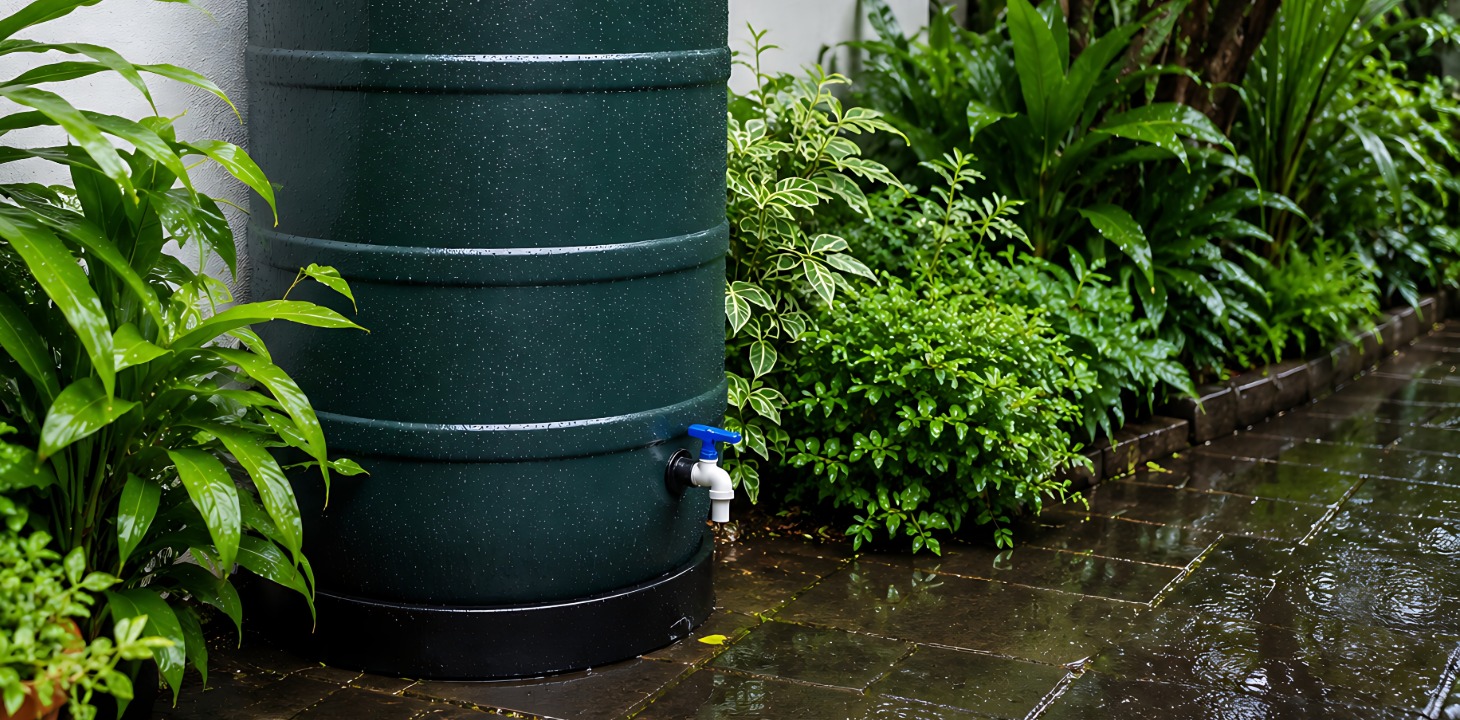
Water butts are a simple and effective way to collect rainwater from roofs, sheds, garages and greenhouses. Even a short summer downpour can provide useful water for pots, containers and priority planting.
If you have space, consider connecting more than one water butt or installing a larger storage tank. Rainwater is naturally suited to garden use and reduces reliance on treated mains water. The RHS recommends storing rainwater as one of its key water-saving measures.

Reuse suitable household water
Some lightly used household water—often called greywater—can be reused in the garden during dry conditions. Water collected while waiting for a shower to warm up is particularly useful, while lightly used bath or washing-up water may sometimes be suitable for established ornamental plants.
Avoid water containing bleach, disinfectants, strong cleaning products, excessive grease or salt. Greywater should be allowed to cool, used promptly and applied directly to the soil rather than sprayed onto foliage or edible parts of crops.
Move containers into the shade
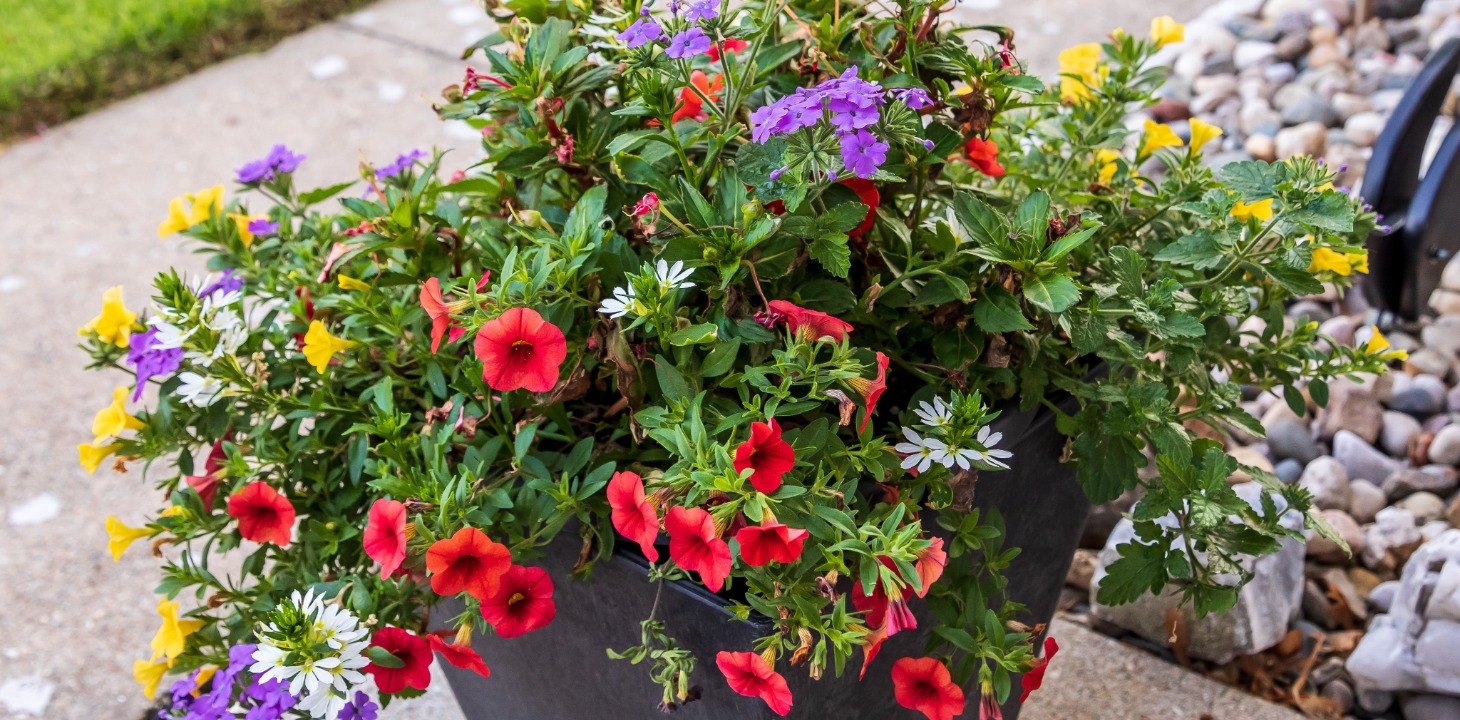
Pots and hanging baskets can dry out very quickly because their roots have access to a limited amount of compost. Where possible, move containers away from strong afternoon sunshine and group them together in a sheltered location.
Place saucers beneath pots to catch excess water, provided the plants are not left permanently waterlogged. Self-watering containers and reservoirs can also help reduce waste and maintain a more consistent moisture level.
Keep on top of weeds
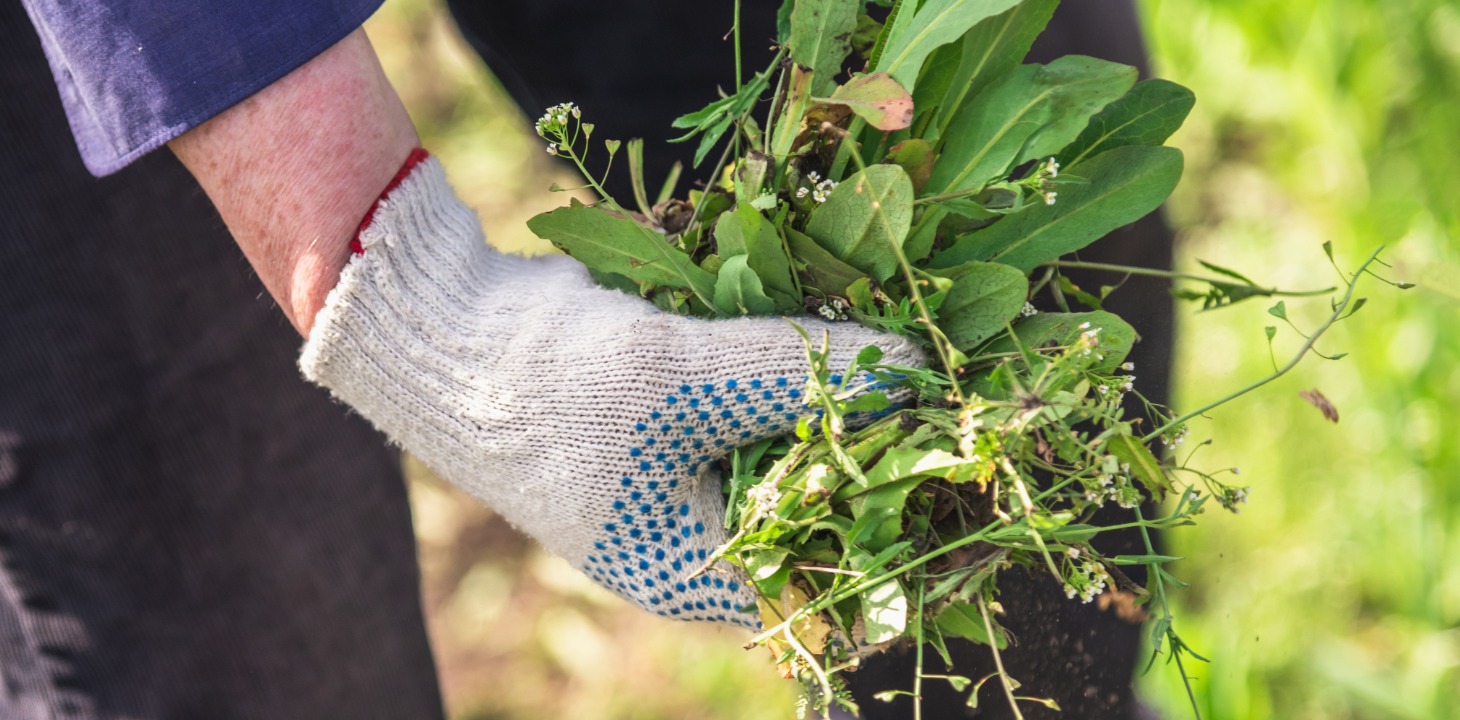
Weeds compete with your garden plants for the limited moisture available in the soil. Removing them regularly means more water remains available for the plants you want to protect.
Weeding after rain or watering is often easier, as roots can be removed more completely from softer soil.
Delay major planting where possible
New planting requires regular watering while roots become established. If a hosepipe ban coincides with particularly hot or dry weather, it may be sensible to delay large planting projects, laying new turf or sowing a new lawn until conditions improve.
If planting cannot be postponed, prepare the soil thoroughly, add organic matter and check whether any exemptions apply to newly installed plants or turf.
Creating a more water-efficient garden
A hosepipe ban can also provide an opportunity to think about how your garden could cope better with dry conditions in the future.
Improving the soil, installing water butts, mulching annually and choosing plants suited to your garden’s conditions can all reduce its long-term demand for water. Drought-tolerant plants can still provide plenty of colour, structure and value for wildlife while requiring less attention during dry spells.
At Hooper Services, we understand that healthy outdoor spaces depend on thoughtful planning and responsible ongoing care. By using water carefully and focusing your efforts where they will make the greatest difference, you can help your garden come through a hosepipe ban in the best possible condition.